

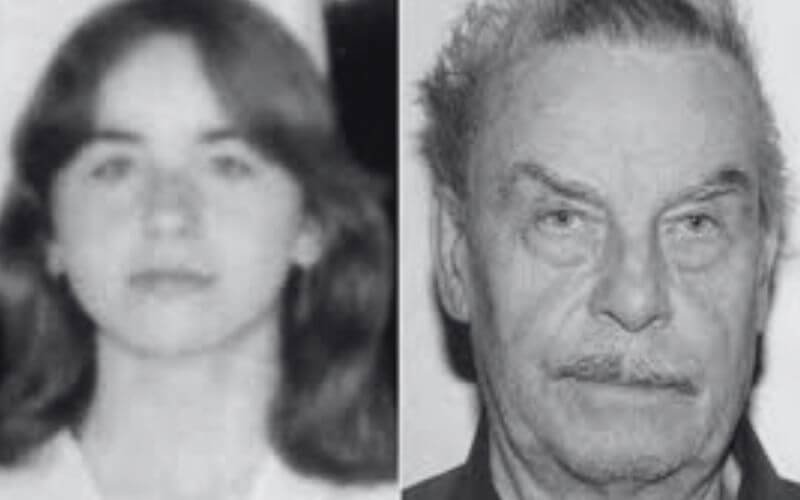
When people research the Fritzl case, names like Josef and Elisabeth dominate the coverage. But curiosity often extends to the siblings who lived ordinary lives while their family became the center of one of Austria’s most disturbing criminal cases.
One name that comes up in these searches is Ulrike Fritzl. This article covers who she is, her confirmed relationship to Elisabeth and Josef Fritzl, what little public information exists about her life, and why so little is known placed within the broader context of the Fritzl family and the case itself.
Who Ulrike Fritzl Is
Ulrike Fritzl is one of the daughters of Josef Fritzl and his wife Rosemarie Fritzl. According to available reporting, she is the eldest sister of Elisabeth Fritzl and was born in 1957.
That makes her approximately nine years older than Elisabeth, who was born in 1966. Ulrike is a sibling of Elisabeth the victim in the case and has no documented role as a perpetrator or witness in the criminal proceedings against their father.
She is sometimes listed under the surname Pramesberger, which suggests she married and took a different name. This detail comes from limited secondary sources, so it should be noted with some caution, as it has not been confirmed by major investigative outlets.
The Fritzl Family Structure
To understand where Ulrike fits, it helps to look at the family as a whole. Josef Fritzl was born in 1935 in Amstetten, Lower Austria. He married Rosemarie, born in 1939, in 1956.
Together, Josef and Rosemarie had seven children three sons and four daughters. Elisabeth was one of those children. Ulrike, born in 1957, was the oldest of the daughters.
It is worth flagging something readers may encounter online. Some list-style articles claim Elisabeth had 12 or even 13 siblings. This contradicts the more reliable figure of seven children from Josef and Rosemarie, as documented in the well-sourced overview of the Fritzl case on Wikipedia. Those list articles tend to mix up different family branches or simply repeat each other’s errors without checking the facts.
There is also an important distinction that often gets blurred. The seven children Josef and Rosemarie had together are a completely separate group from the seven children Josef fathered with Elisabeth during her captivity. These are two different sets of children, and confusing them is a common mistake in lower-quality online coverage.
What the Public Record Says About Ulrike’s Life
The confirmed public information about Ulrike’s personal life is modest. According to available reporting, she is married and works as a teacher. Beyond that, very little has been documented by credible sources.
She has not given public interviews. She has not made media appearances connected to the case. No reliable source documents her current location, specific workplace, or personal views on what her father did.
This is not really a gap in the research it is itself a meaningful fact. Ulrike has clearly chosen to stay out of the public eye, and that choice appears to be shared by most of Elisabeth’s siblings. Some family members are reported to have changed their names and moved to undisclosed locations after the case became public in 2008, in part to protect themselves from media attention and public association with the crimes.
This pattern is not unusual. Relatives of people convicted of serious crimes even relatives who had nothing to do with those crimes often face stigma, unwanted media attention, and in some cases genuine safety concerns. Choosing a quiet life under a different name is a rational response to an extraordinarily difficult situation.
The Case That Made the Family Name Known
To understand why anyone is searching for Ulrike’s name at all, it helps to know the basics of what happened.
In 1984, Josef Fritzl lured his daughter Elisabeth, then 18 years old, into a cellar he had constructed beneath the family home in Amstetten. He locked her in and imprisoned her there for 24 years. During that time, he repeatedly assaulted her, and Elisabeth gave birth to seven children in captivity.
Of those seven children:
- Three Kerstin, Stefan, and Felix were raised in the cellar with Elisabeth.
- Three others were taken upstairs and raised by Josef and Rosemarie, who presented them to the outside world as foundlings left on their doorstep.
- One infant, Michael, died shortly after birth. Josef later faced charges related to that death.
The case came to light in 2008. One of the cellar children, Kerstin, became critically ill and needed hospital treatment. When she was brought to the hospital, the circumstances raised serious questions. A police investigation followed, and the full truth emerged.
Josef Fritzl was arrested, tried, and convicted in 2009. He received a life sentence and is currently serving time in a facility for the criminally insane in Austria.
The case drew massive international attention. It raised difficult questions about how such abuse could go undetected for so long, and it prompted widespread discussion about family violence, privacy, and the protection of victims.
What Happened to the Wider Family
Elisabeth and her children were placed under strict privacy protections after the case became public. Austrian authorities and media outlets worked to shield their identities and support their recovery. Reports from TIME described how the children who had grown up in the cellar had to adjust to things most people take for granted sunlight, open spaces, and ordinary social interaction.
The wider family, including siblings like Ulrike, faced their own version of the fallout. They were not accused of wrongdoing, but the Fritzl name became synonymous with one of the worst crimes in Austrian history. The pressure to distance themselves from that association was real.
A YouTube interview with Josef Fritzl’s sister-in-law one of the few extended family members to speak publicly described him as a “tyrant.” That interview is one of the rare cases of a family member engaging with the media. Most of the adult children of Josef and Rosemarie, including Ulrike, chose silence instead.
For anyone trying to learn more about the broader social and psychological impact of cases like this, Savvy Business Mag covers a wide range of background stories that put public figures and notable cases in fuller context.
Why So Little Is Known And Why That Makes Sense
It can feel frustrating to search for someone and find almost nothing. But in Ulrike’s case, the absence of information is not a mystery. It reflects a deliberate, understandable choice.
She is a private individual who happens to be the eldest sister of a crime victim whose father committed some of the worst crimes imaginable. She has built her own life reportedly as a married teacher and has every reason to keep that life separate from the public story of what her father did.
Responsible coverage of people in her position means acknowledging what is confirmed, being clear about what is uncertain, and not filling the gaps with speculation or invented detail. She is not a public figure. She has not chosen to be one. The most honest thing to say about Ulrike Fritzl is that she is a woman who, by all available accounts, has led a quiet and private life and that is entirely her right.
A Simple Look at the Family Tree
For readers who want a clearer picture of how everyone fits together, here is a straightforward breakdown:
- Josef Fritzl (born 1935) and Rosemarie Fritzl (born 1939) married in 1956 and had seven children together, including Ulrike and Elisabeth.
- Ulrike Fritzl (born 1957) is the eldest daughter. She is reported to be married and working as a teacher.
- Elisabeth Fritzl (born 1966) is the youngest daughter and the victim in the criminal case.
- The children Josef fathered with Elisabeth during her captivity are a separate group entirely and are not siblings of Ulrike in the same sense.
That structure is important to keep in mind when reading online articles that claim larger sibling counts. Seven children from Josef and Rosemarie is the figure supported by more authoritative sources. Claims of 12 or 13 siblings should be treated skeptically.
Conclusion
Ulrike Fritzl is the eldest sister of Elisabeth Fritzl and a daughter of Josef and Rosemarie Fritzl. Beyond that confirmed foundation, public information about her is sparse by design. She is reported to be married and to work as a teacher, and she has lived a private life away from the media attention that has followed her family’s name since 2008.
She is not a figure in the criminal case against her father. She is one of several siblings who have quietly stepped back from a story they did not choose to be part of. That choice deserves to be respected, and any honest account of who she is has to start and largely end with that simple fact.
Also Read:
